Egypt customs. Sestruha checks your suitcase.
What to bring in and take out, how much cash to carry, and why “it is for me” is not always enough. 31 questions across eight chapters, explained plainly.
Sort out my luggageChecked 31 October 2026 · Max Nemudry

These are not an official list of 31 questions. Customs publishes continuous rules. We reorganized the main passenger provisions into a readable FAQ, preserving allowance conditions and all published restricted-goods examples, and added currency, medicine and departure references from other official sources.
First, who is travelling?
Status affects allowances. This is an explanatory selector, not an official status determination.
Tourist: separate luggage from shop purchases.
- New non-commercial goods: EGP 15,000; special restrictions still apply.
- Arrival duty free: USD 200, 48 hours, up to four times a year; alcohol has payment conditions.
- Personal belongings must suit the trip and accompanying family.
Personal belongings: what counts as luggage
What can I bring as personal belongings?
Ordinary trip belongings include clothing, toiletries, personal jewellery, cameras and reasonable accessories, binoculars, portable projectors and accessories, musical and audio equipment, a portable television or typewriter, a laptop and accessories, and a calculator. The list also covers pushchairs, wheelchairs and sports equipment. Being new alone does not make an item commercial; purpose and quantity matter. Phones have a separate procedure.
Sestruha explains
One holiday camera and ten identical boxed cameras are different cases. A receipt does not turn a commercial quantity into personal luggage.
Who decides whether goods are for personal use?
Customs assesses the nature and quantity of goods, trip circumstances and frequency of border crossings. Goods must be in an individual’s name, suit personal or family needs and not constitute a commercial consignment. For foreigners, length of stay and accompanying family size matter. Devices must be for personal or household use.
Sestruha explains
Calling everything gifts does not settle the quantity question. Check the procedure before travelling with many identical items.
I live in Egypt and am returning: how do I show I already owned my equipment?
For residents, the guide requires recording valuables intended for re-import on the prescribed Customs form when leaving. Present that previous record on return. Keep it with serial numbers and receipts.
Sestruha explains
A home photograph may help, but it does not replace the prescribed Customs record. Ask before leaving Egypt.
Purchases, gifts and the EGP 15,000 allowance

What is the duty-free allowance for new goods?
Customs lists EGP 15,000 of new non-commercial goods for tourists and transit passengers and, separately, for returning residents. Customs duties and other taxes and fees apply above the allowance. It does not override prohibitions or special requirements for restricted goods.
Sestruha explains
A gift can still be a new item. Do not apply this allowance to Telephony fees or translate it into a number of free iPhones.
Can I calculate all duty at one flat rate?
The guide gives no universal suitcase tax rate. Classification, value, exemptions and applicable taxes affect the amount. Prepare a list, quantities and receipts and ask Customs. Paying duty does not replace a required permit.
Sestruha explains
No invented neat percentage here. Without an identified item and valuation, a number would be guesswork.
Can my family pool allowances for one expensive item?
The duty-free provisions expressly grant each eligible family member a separate allowance and prohibit pooling allowances for one item. Ask Customs about other exemptions rather than transferring this rule between regimes.
Sestruha explains
Two passports do not create a double allowance for one television. The passport holder must also be present.
Alcohol, cigarettes and duty free

How much alcohol and tobacco is allowed in luggage?
The tourist/transit luggage allowance lists 200 cigarettes OR 25 cigars OR 200 g of tobacco, plus 1 litre of spirits. The returning-resident section lists the same quantities. The tobacco choices are alternatives, not cumulative allowances.
Sestruha explains
Do not treat all three tobacco options as separate gifts you can add together. Keep this luggage rule separate from arrival-shop purchases.
What does arrival duty free allow a tourist?
Personal purchases in duty-free shops within the Customs area are limited to USD 200 within 48 hours of arrival, on no more than four occasions a year. The passport holder must attend. Excess is taxable; family allowances cannot be pooled for one item. Maritime and special passports do not give one person duplicate allowances.
Sestruha explains
This is a specific arrival-purchase provision, not a blanket exemption for a bag bought at any duty-free shop anywhere.
The tourist duty-free rule says 3 litres. Is all of it tax free?
No. The published provision permits at most 3 litres of spirits: 1% of the applicable customs duty for each of the first two litres, and 25% for the third; the same clause states a minimum of USD 13 or equivalent per litre. It also lists 2 cigarette cartons. Only 1 litre may be replaced by one carton of beer. Confirm the actual assessment with the shop and Customs.
Sestruha explains
These percentages refer to customs duty due, not the bottle price. Three permitted litres does not mean three litres without payment.
What are the arrival duty-free rules for residents?
Within 48 hours of arrival: personal purchases up to USD 300, at most twice a year, with the passport holder present. The provision lists 1 litre of spirits, 2 cigarette cartons, tobacco and cologne, with a beer-carton substitution for the litre. It applies only if the preceding luggage alcohol/tobacco exemption was not used. Excess value is taxed at the highest category rate among the purchased items.
Sestruha explains
Do not add the shop litre to an already-used luggage exemption. Do not choose the tourist category just because its numbers suit you.
Does a vape count as the cigarette allowance?
The general guide separately lists electronic cigarettes as restricted goods requiring the relevant authority’s clearance, citing GOEIC as an example. It does not give a vape-for-cigarette substitution allowance. Check the exact device and liquid before travelling.
Sestruha explains
Customs clearance and aircraft lithium-battery rules are separate questions. An airline answer does not replace a Customs answer.
Cash: arrival, departure and declaration

How much foreign cash can I bring into Egypt?
Cairo Airport’s official guide gives no ceiling on foreign currency brought in, provided amounts above the equivalent of USD 10,000 are declared. Consider the combined equivalent, not separate USD 10,000 allowances for dollars and euros. Keep the endorsed declaration for possible re-export.
Sestruha explains
A declaration records the money brought in. Do not conceal the amount or expect an officer to guess it.
How many Egyptian pounds can I carry?
The public Airport and FCDO guidance states up to EGP 5,000 on both arrival and departure. This is a separate local-currency limit; declaring foreign currency does not increase it.
Sestruha explains
For an unusual amount or special basis, confirm the procedure with Customs first. Someone else’s exception is not your authorization.
Can I leave with more than USD 10,000?
The Airport lists the normal foreign-currency departure limit as the equivalent of USD 10,000. Non-Egyptians may take out the remaining amount previously brought in and declared on arrival. To rely on this exception, present the arrival declaration and confirm supporting documents with Customs before departure.
Sestruha explains
A new exchange receipt is not an arrival declaration. Money withdrawn in Egypt is not automatically the remainder of money brought in.
Medicines, cosmetics and food

Can I bring my personal medication?
Customs permits personal-use medicines supported by medical documentation, subject to the competent authority, including the Egyptian Drug Authority. Quantities beyond personal needs require separate clearance. Prepare the active ingredient, dose, quantity and trip duration.
Sestruha explains
Keep identifiable original packaging and documents rather than loose unidentified pills. This is preparation advice, not a new Customs quantity allowance.
Does a prescription guarantee that any medicine can enter?
No. Some prescribed and over-the-counter medicines can be controlled in Egypt. FCDO warns that prior permission may be needed and missing authorization or documents can lead to refusal or prosecution. A doctor’s letter should state the condition, quantity and personal use. Check the exact active ingredient with an Egyptian consulate or EDA before travelling.
Sestruha explains
Do not stop prescribed treatment over baggage concerns. Arrange authorization with your doctor and the Egyptian authority in advance. Availability at home does not determine Egyptian legality.
Can cosmetics and medical equipment go as personal belongings?
Cosmetics beyond personal use require regulatory clearance, with EDA cited as an example. Medical tools and equipment used for an activity are classified as special rather than personal use and require approvals. Veterinary medicines are separately subject to veterinary control.
Sestruha explains
Holiday skincare and a box of salon supplies are different cases. Describe an individual health device in advance rather than treating all medical equipment alike.
Can I bring food, seeds or plants?
Personal-luggage treatment does not waive sanitary or agricultural checks. Cairo Airport warns against bringing seeds and seedlings to prevent pests; Customs lists agricultural seeds and pesticides as controlled goods. Do not bring them without confirmed approval. For food, animal products and plants, check the specific product and packaging with the relevant authority.
Sestruha explains
There is no invented blanket five-kilogram food allowance here. A short list’s silence about your product is not an approval.
Phones, equipment and permits
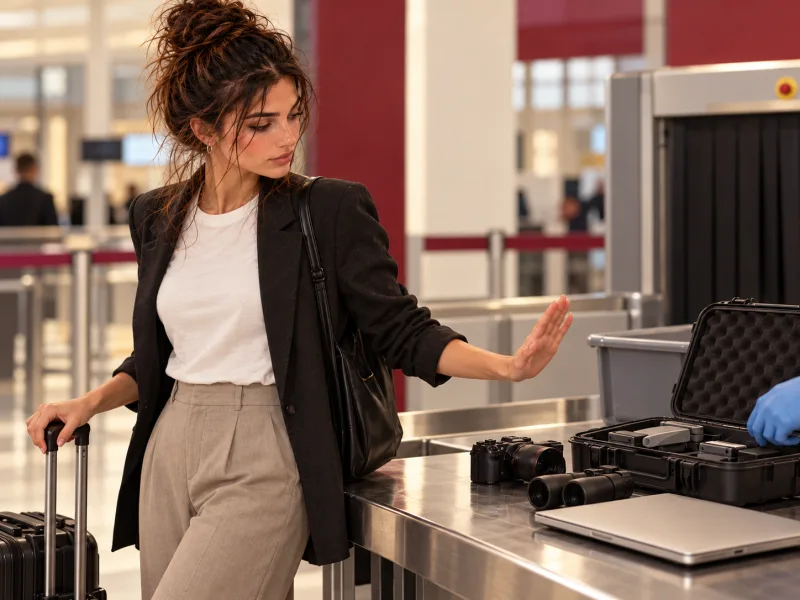
Can I really bring five phones without registration?
No. The old general guide mentions five phones in the context of regulatory clearance and value allowances, not a Telephony exemption. Personal phones follow the current separate procedure: airport processing has ended, while IMEI status, tourist exemptions and any charges are checked through Telephony. See the dedicated guide.
Sestruha explains
A box, receipt or gift explanation does not replace the device record. Customs allowances and mobile-network registration are separate mechanisms.
Can I bring a small drone for holiday footage?
Do not import a drone without advance permission from Egypt’s Ministry of Defence. Customs lists radio-controlled aircraft as restricted goods; FCDO confirms the permission requirement for importing, using and producing drones. Small size and personal filming are not listed exceptions.
Sestruha explains
Folding the propellers into a suitcase does not obtain permission. Arrange the documents before planning the shoot.
Are a camera, professional filming kit and a radio treated alike?
No. An ordinary travel camera is on the personal-belongings list. FCDO says professional filming equipment needs permission, including lighting gear, photography umbrellas and equipment occupying roads. Satellite phones and radio equipment risk confiscation without prior telecommunications clearance. Customs also separately flags binoculars and surveying instruments for approval.
Sestruha explains
Binoculars appear both as personal belongings and in the restricted-goods examples. Personal classification does not waive clearance; confirm the exact optics beforehand.
What other unexpected items need checking?
Official examples include colour printers, military or camouflage clothing, knives and daggers, natural hair and wigs. Each has a relevant authority; the complete set of published examples appears below. It is not exhaustive, so omission does not guarantee unrestricted entry.
Sestruha explains
Yes, even a colour printer or wig. Confirm the exact item and clearance before reaching the counter.
Souvenirs, jewellery and departure

Can I arrive wearing personal jewellery?
Tourists’ personal jewellery is included when not intended for trade. Gold and silver beyond personal use need regulatory clearance, with the hallmarking authority cited. For unusually valuable or large collections, prepare ownership/value records and confirm declaration requirements. This page gives no universal gram allowance for every traveller.
Sestruha explains
Do not generalize a particular incentive scheme to all tourists. Check purchased gold for export separately, with its invoice and destination rules.
Can I take home coral or a shell found on the beach?
Do not collect or carry marine natural souvenirs without verified legality. Egypt’s environment ministry has reported seizures of corals, rare shells and taxidermy from Hurghada shops. Protected species are subject to environmental law and CITES. Finding an object dead or a seller’s assurance does not prove lawful origin or export.
Sestruha explains
A reef photograph is the simplest souvenir. A modern ceramic purchase with a receipt is a different proposition from a bagged piece of reef.
Are antiques, ivory or animals ordinary souvenirs?
No. Customs lists antiquities among prohibited categories. Ivory and dried seahorses are named under CITES restrictions involving veterinary and environmental authorities. Animals and their products require separate checks on origin and permits; purchase does not waive conservation controls.
Sestruha explains
Keep receipts and material descriptions for modern replicas. A seller promising a genuine antiquity is a reason to walk away. Pets follow separate veterinary procedures.
Declaration, inspection and difficult cases

When should I approach Customs?
Declare goods that may be taxable, prohibited or restricted and cash above the declaration threshold. Before leaving the Customs area, approach an officer or the designated declaration channel. Resolve doubtful eligibility before using a nothing-to-declare route.
Sestruha explains
A green exit is not silent permission. Ask about an uncertain item before inspection turns it into a dispute.
What documents should I prepare?
For personal-baggage clearance Customs lists a valid passport or certified copy, a contents declaration and shipping information for freighted baggage. Useful preparation includes receipts, an item list, serial numbers, previous valuables records, relevant permits and medical documents. This additional list is practical advice, not a universal mandatory package.
Sestruha explains
Keep offline copies in case airport internet fails. This site does not require uploading passports or documents.
What happens during inspection and duty assessment?
The published procedure checks goods against the declaration, with the inspection signed by officers and the traveller or authorized broker. Quantities beyond personal use may be held. Duties are officially assessed; release uses the contents declaration and payment receipt. Discrepancies are handled under Customs law.
Sestruha explains
For a dispute, ask for the basis, calculation and written record of a hold or charge. Keep copies. This is communication advice, not a promised appeal outcome.
What if my baggage arrives separately as freight?
Freighted baggage has a separate declaration and shipping records; agent consignments must identify the passengers. Customs still decides personal-use status. Commercial quantities follow the commercial procedure, including form 19 K.M and applicable import and regulatory requirements.
Sestruha explains
Cargo shipment does not automatically turn a box into a tourist suitcase or eliminate duties. Confirm the regime before paying for shipping.
Does this cover moving furniture, car parts or bringing a car?
For furniture, Customs requires a personal housing contract and goods appropriate to it; finishing materials need the relevant works permit. Car parts require valid Egyptian vehicle registration in the person’s name and matching the vehicle model. Cars, yachts and professional equipment have separate temporary-admission and guarantee procedures. Suitcase allowances do not replace them.
Sestruha explains
A relocation or vehicle journey is not just a larger suitcase. Check the separate procedure before shipping.
If the airline accepts an item, does Customs allow it too?
No. Airlines govern carriage, cabin baggage, batteries and dangerous goods; Customs governs import/export, value, exemptions and permissions. Cabin-liquid rules are not the alcohol customs allowance. Check both sets for your carrier and route.
Sestruha explains
Fit to fly and legal to enter are two separate checks. Destination and return-country rules also apply.
All restricted-goods examples in the guide
All groups from the official example list are retained below. Customs cites authorities as examples, not exhaustive approval pathways. Personal use does not itself waive restrictions. The old phone entry is clarified with the current procedure.
| Item | What to check |
|---|---|
| Phones | Current Telephony procedure; the old five-phone statement is not a registration exemption. |
| Medicines | Personal quantities with medical documents; additional quantities need clearance, including EDA. |
| Gold and silver | Beyond personal use: hallmarking and relevant authorities. |
| Surveying instruments | Special use for an activity, not personal exemption; approvals including weights and measures. |
| Medical tools | Special use and regulatory approval, for example EDA. |
| Knives and daggers | Public-security clearance. |
| Binoculars | Approval; Ministry of Defence cited as an example. |
| Radio-controlled drones | Advance Ministry of Defence permission. |
| Electronic cigarettes | Clearance, for example GOEIC; not a substitute cigarette allowance. |
| Colour printers | Clearance involving anti-counterfeiting and financial-crime authorities. |
| Cosmetics beyond personal use | Clearance, for example the Egyptian Drug Authority. |
| Veterinary medicines | Veterinary quarantine clearance. |
| Dried seahorses, ivory | CITES restrictions; veterinary and environmental authorities. Not ordinary souvenirs. |
| Military and camouflage clothing | Approval, for example the Ministry of Defence. |
| Seeds and agricultural pesticides | Agricultural control; the Airport separately warns against seeds and seedlings. |
| Natural hair and wigs | Health-quarantine clearance. |
Prohibited and restricted goods are different categories. Customs’ prohibition examples include narcotics, antiquities, weapons, radioactive waste and obscene publications. Duty payment does not authorize a prohibited item.
A check before the green exit
A seller bags some coral and says it is an allowed souvenir. Is that enough?
Before departure: pack documents, not trouble.
A preparation checklist. Ticks stay only on this open page.
Items checked: 0 / 6
What to ask the authority
Egyptian Customs: official contact page Egyptian Drug AuthorityEDA: 15301 in Egypt; info@edaegypt.gov.eg. Ask in advance which medicine-authorization procedure applies. This site sends nothing; you contact the chosen authority yourself.
Sources and how we used them
Checked 31 October 2026. Core allowances come from Customs’ legislative passenger section, not old travel summaries showing EGP 1,500. The general page still includes an old phone entry; it is not used as a current exemption. Sestruha’s explanations are editorial examples, not statements by an official.
- Egyptian Customs: passenger rules Law 207/2020 and implementing rules 430/2021; allowances and restrictions published by Customs.
- Customs: personal-baggage clearance Declaration, documents, inspection and release.
- Cairo Airport: currency rules Arrival and departure cash rules. Aviation-baggage text is not used as a universal airline policy.
- FCDO: customs and communications equipment Additional checks on currency, declaration and radio equipment.
- FCDO: bringing medication to Egypt Medical letter and possible advance authorization.
- Egyptian Drug Authority: traveler advisory 13 January 2026; prescription and personal quantities. General travel advice, not a permit for a particular medicine.
- FCDO: drones and filming equipment Drone and professional-filming permissions.
- Egypt environment ministry: corals and shells Official example of natural-souvenir seizures in Hurghada, 1 October 2015.
- Environment ministry: illegal wildlife trade 11 August 2026; lawful origin and trade controls.
- Customs: temporary admission, cars and yachts Separate procedures, outside suitcase allowances.
- Telephony: current phone rules Specific phone procedures supersede old general guidance.
- Egyptian Customs: official contact page Confirm your port-specific procedure before travel.
Author and editor: Max Nemudry. For an unusual item, request the competent authority’s current written guidance before travel.