AI Models for Brands
One recognisable model for your brand’s catalogue, product listings and campaigns.
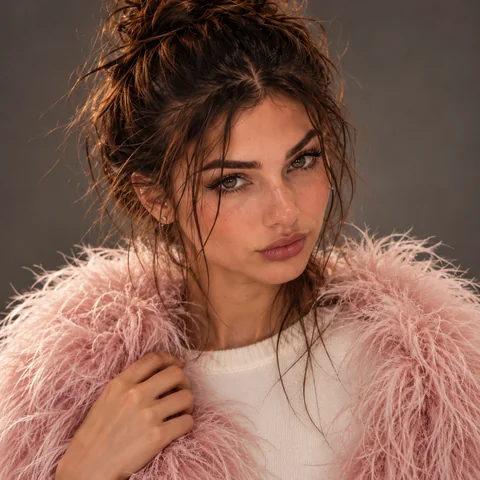 Nika. An AI Model for Catalogues and Campaigns
All examples were created with AI. Nika, the wardrobe and props are demonstration concepts.
From a reference to a recognisable model
This is Nika’s working reference sheet. It connects the images as a consistent system, defining her appearance and helping preserve recognisability across angles, expressions and styling.
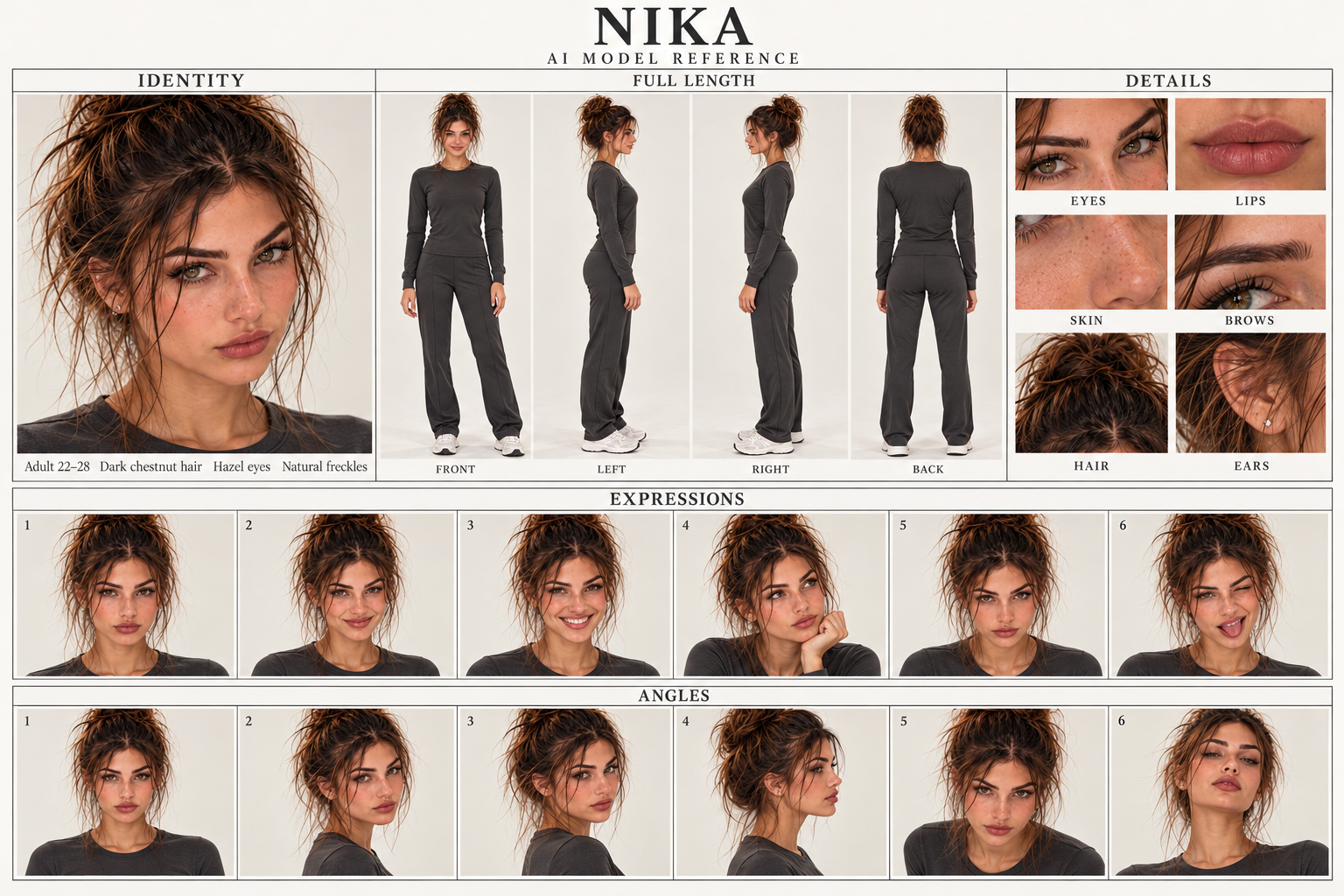
Establish the appearance
I gather the face, proportions, hair, skin details and technical views in one sheet. It becomes the visual reference for subsequent images.
Test across conditions
I test different head angles, expressions, lighting and clothing, compare the results with the reference and select frames where the model remains recognisable.
Build a series for the brand
I use the agreed model in catalogues, campaigns and portraits. Scenes and art direction change for each brief, while appearance is checked against the same reference.
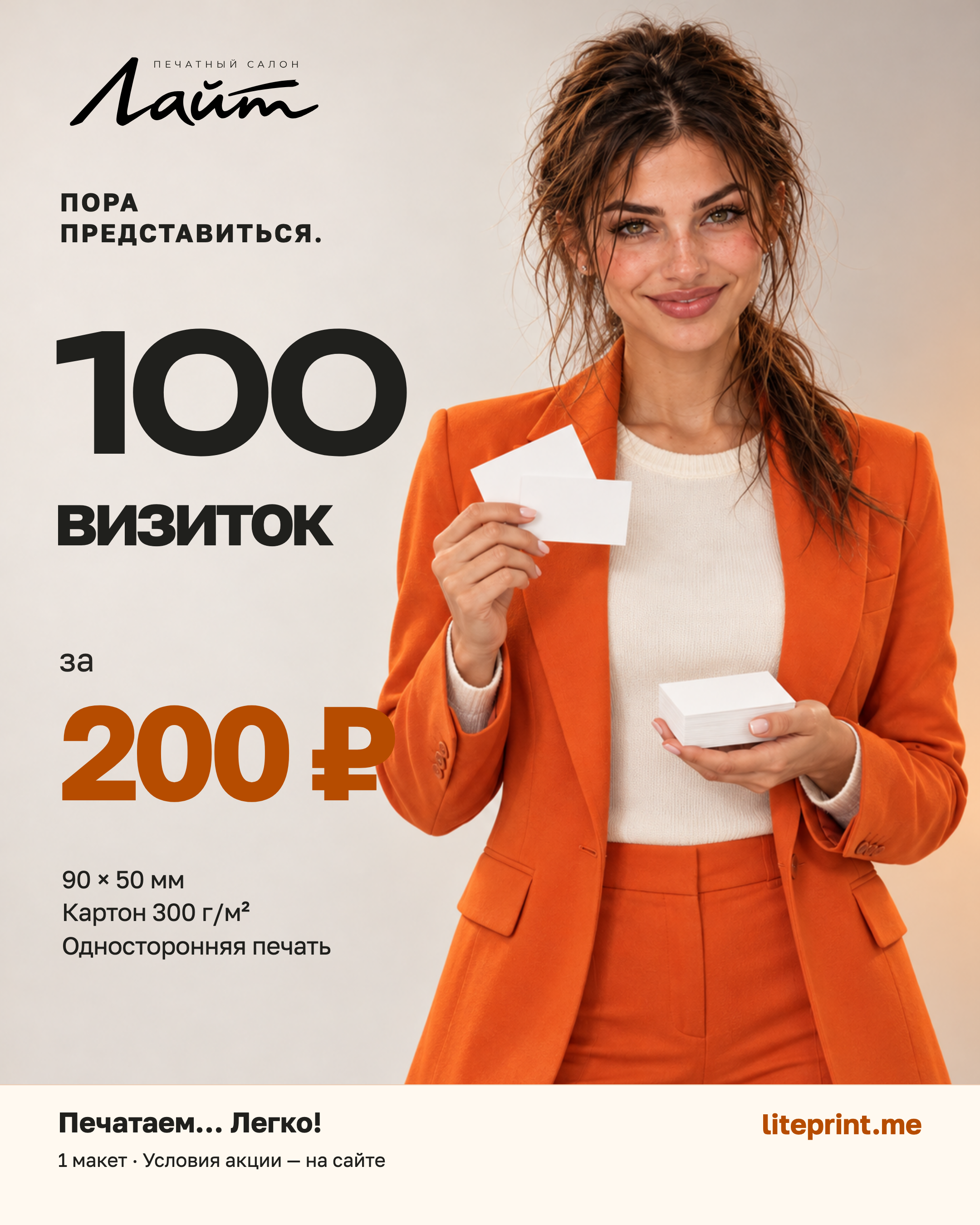
One model. Two campaigns.
A complete advertising design combines the image, brand identity, offer and call to action. Switch brands to change the visual direction while Nika stays recognisable.
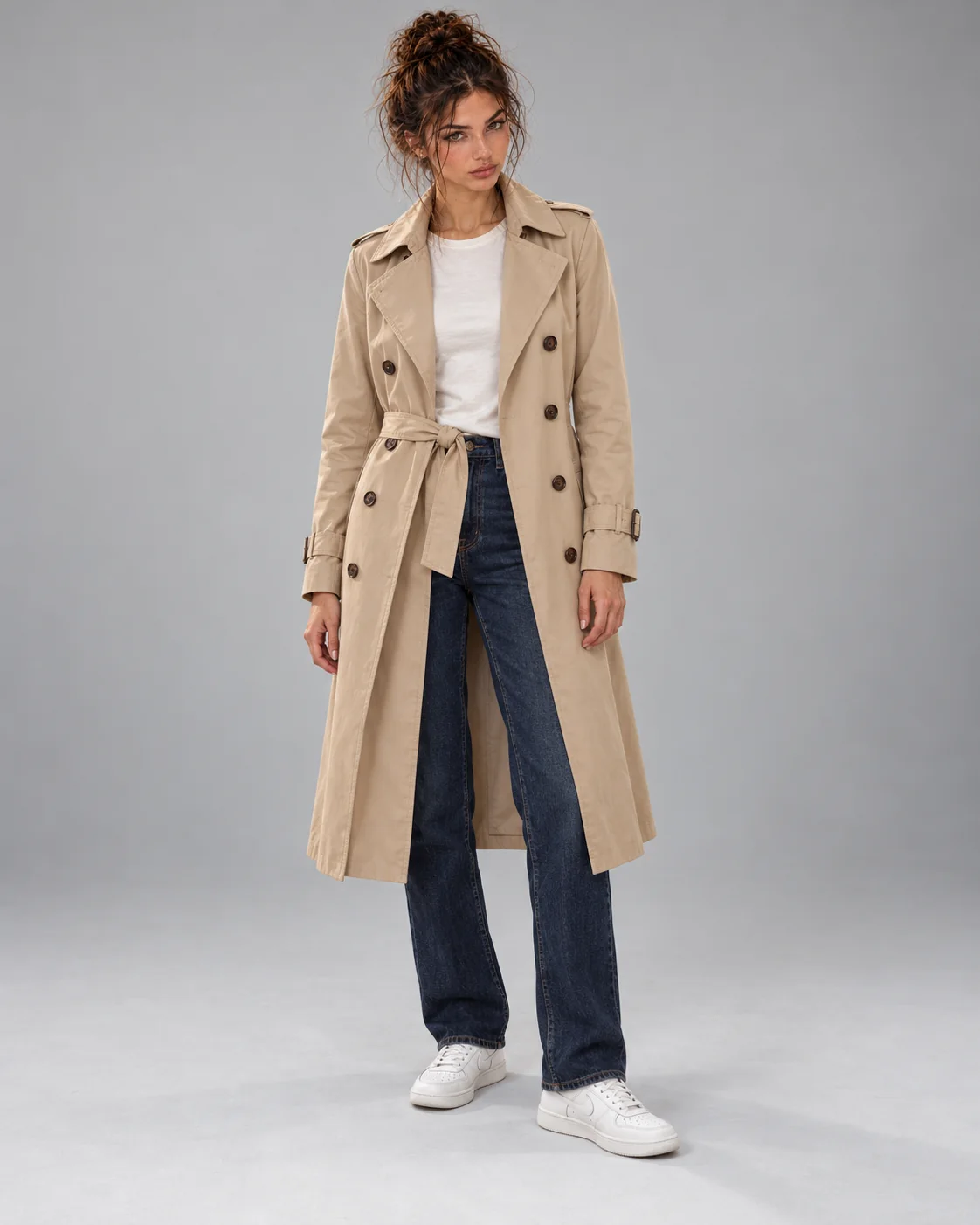
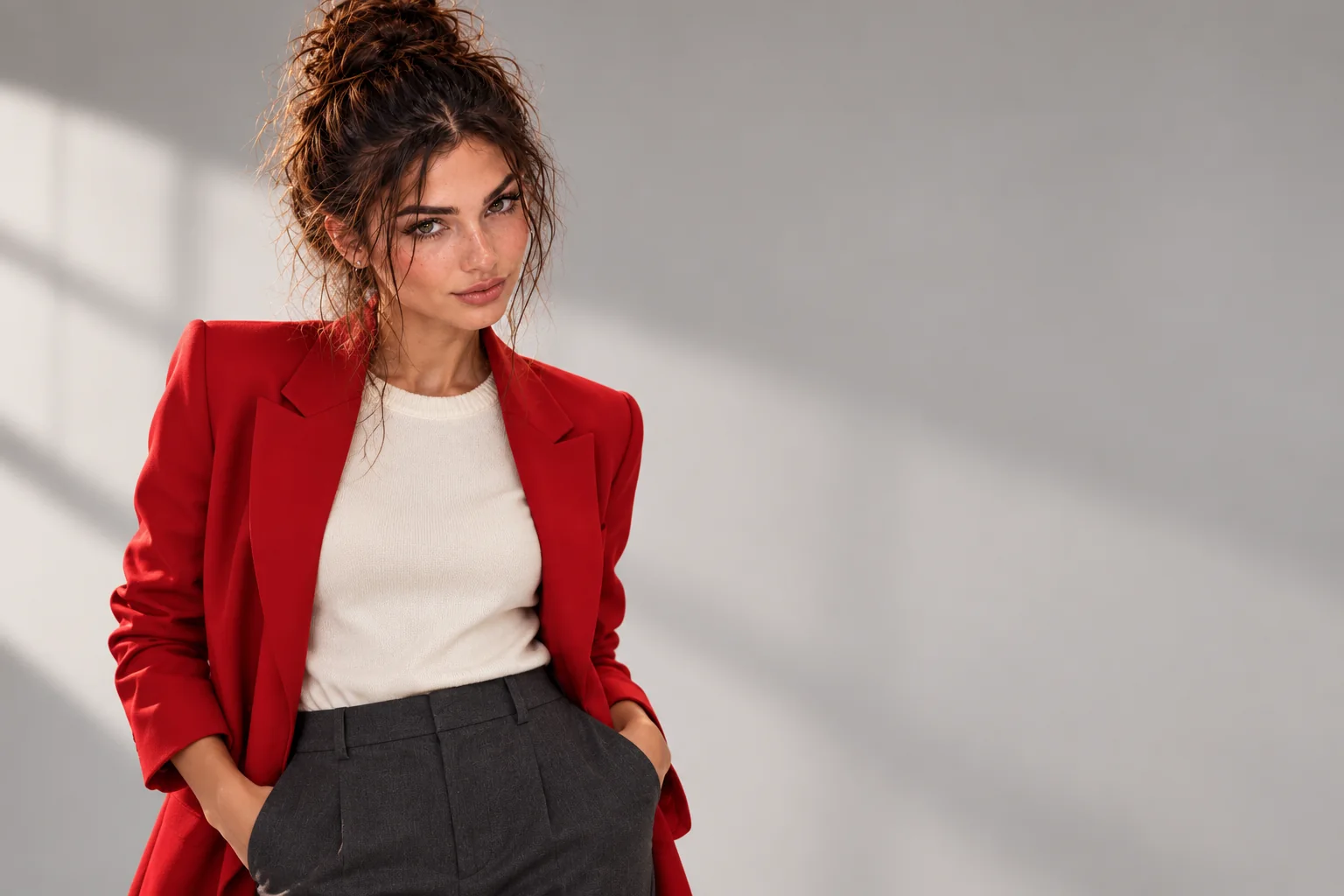
Catalogue: full-length looks
Neutral backgrounds, clear silhouettes and complete garments in frame. Show a look from different angles and use the same model for later collections.
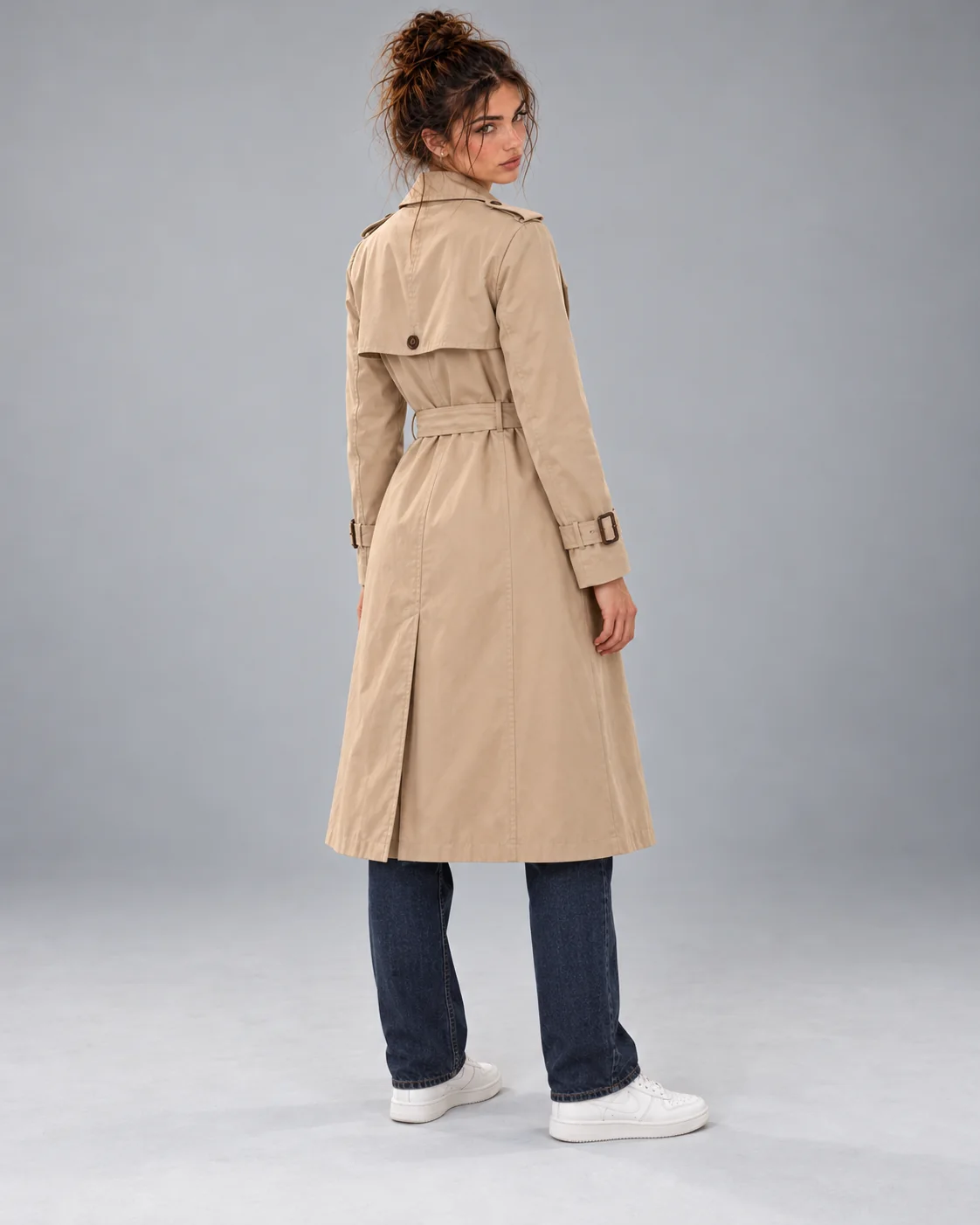
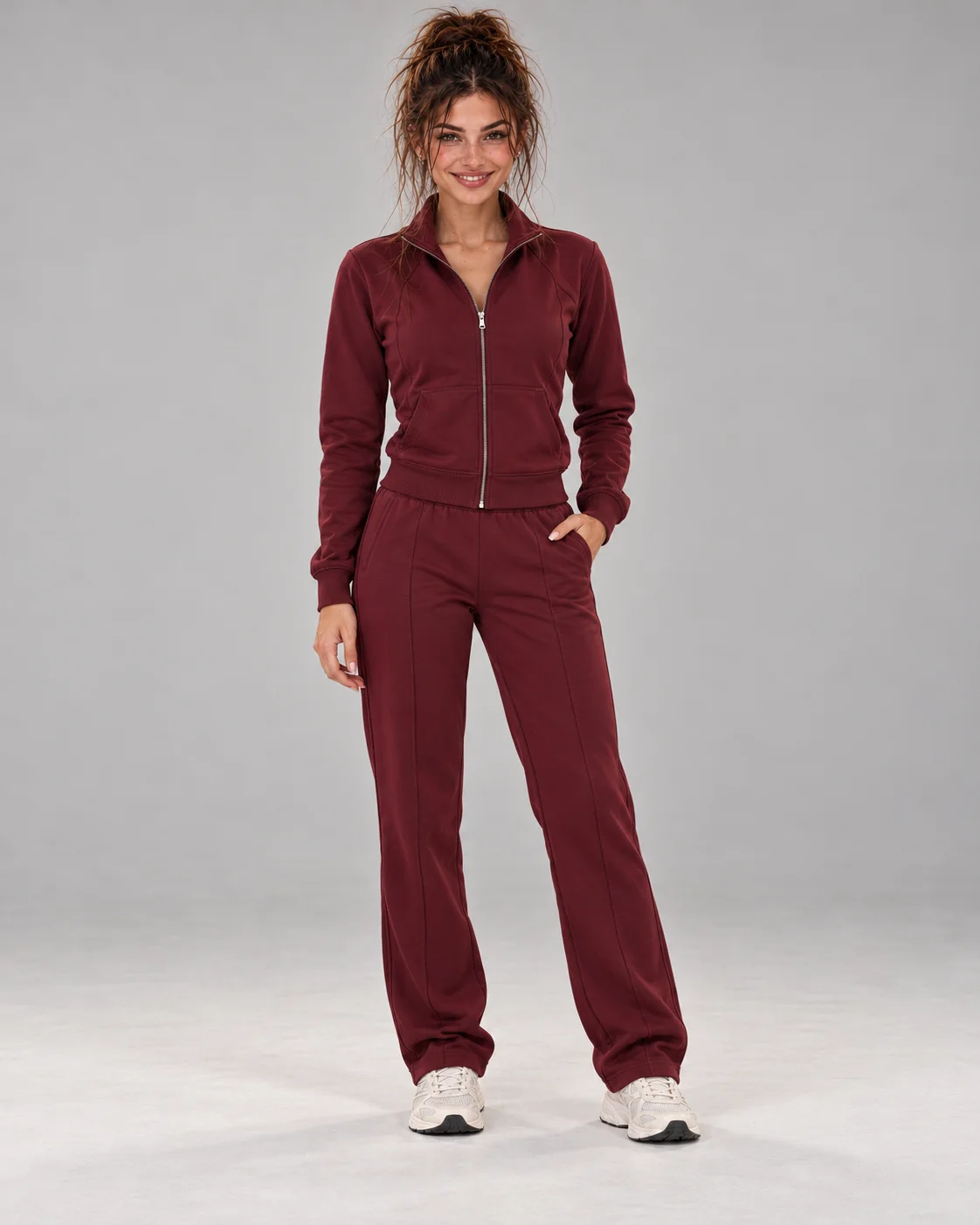
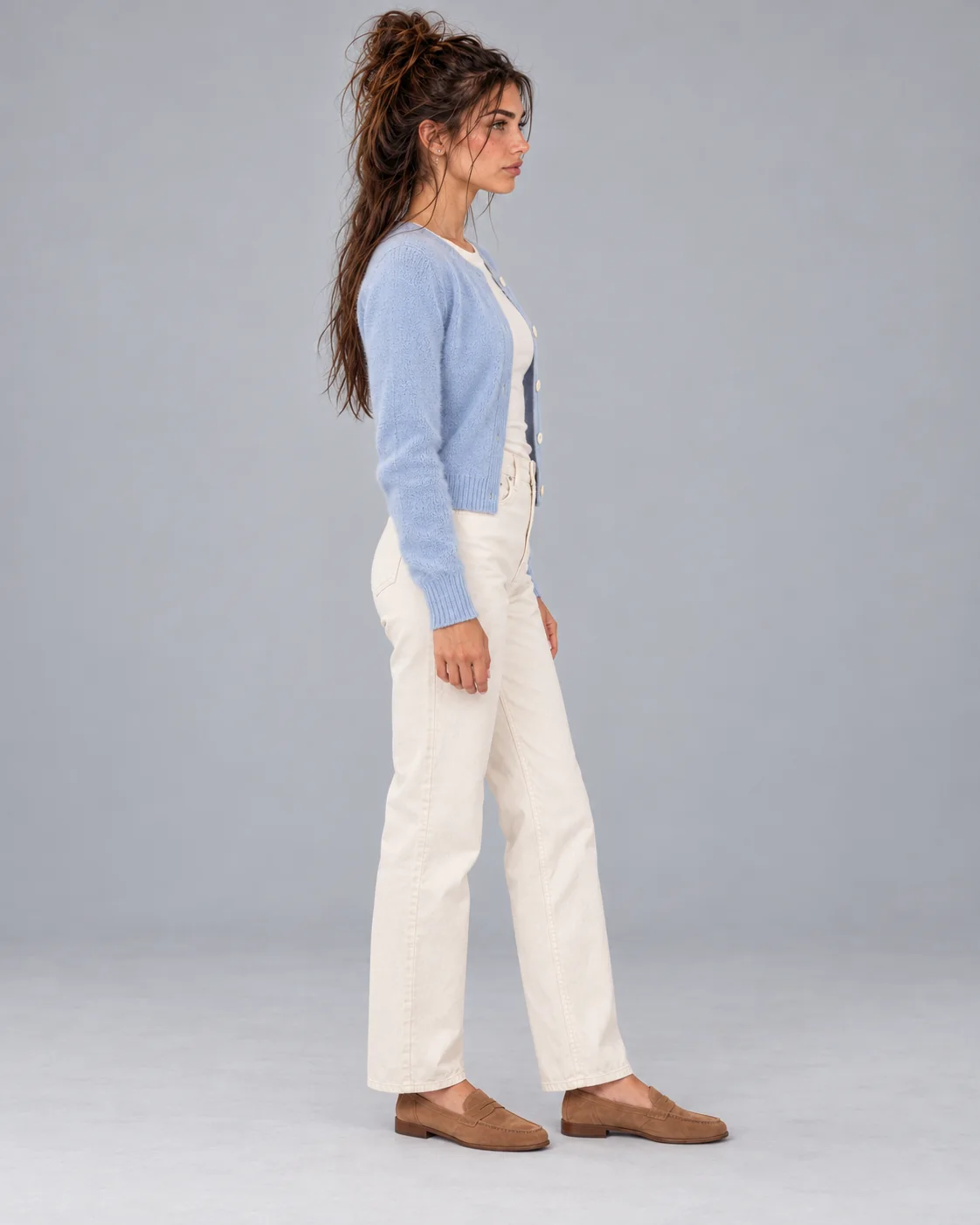

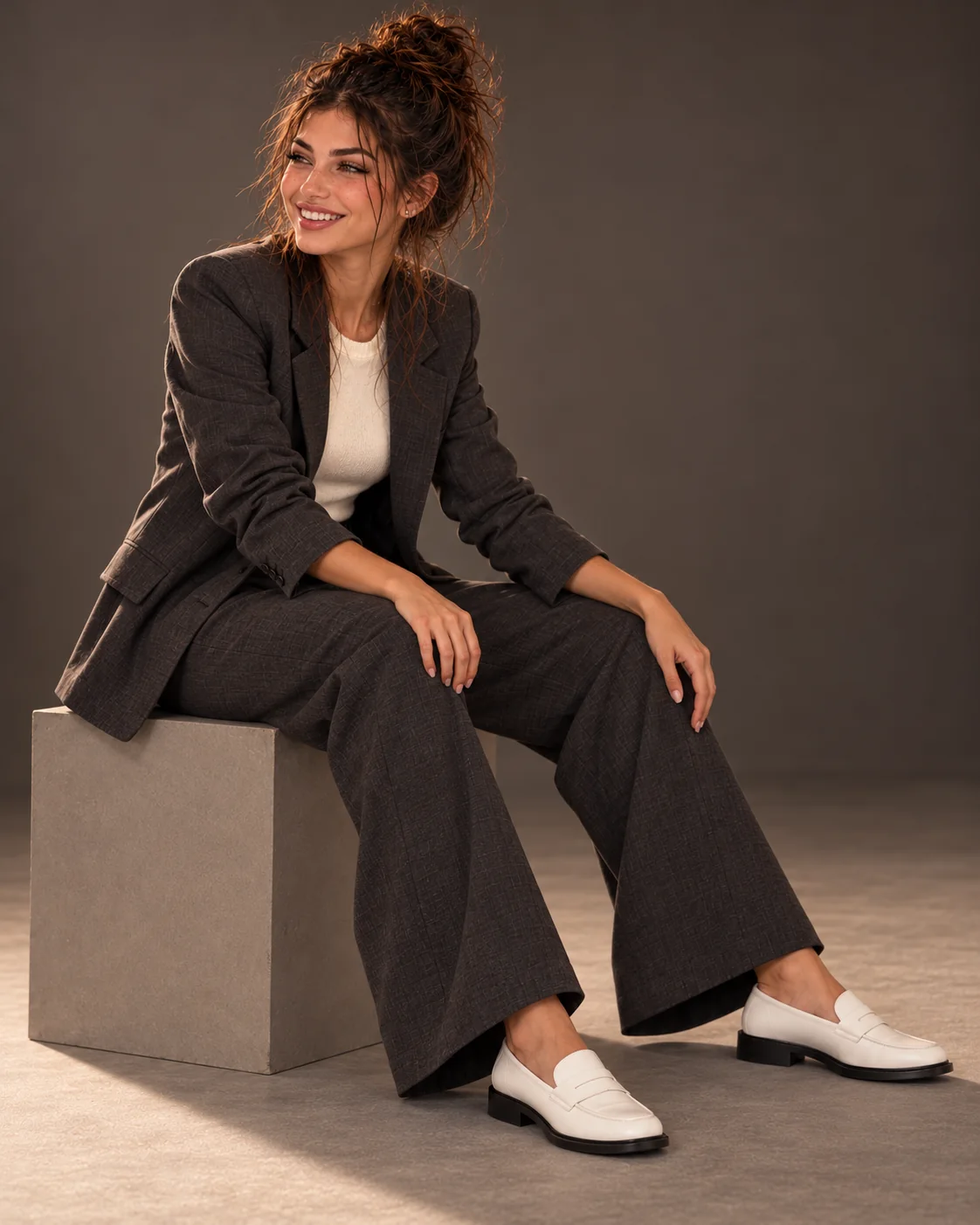
Campaigns: a new scene, the same model
Skincare, accessories and clothing: setting, mood and composition adapt to the brief. A recognisable model connects the images as a series.
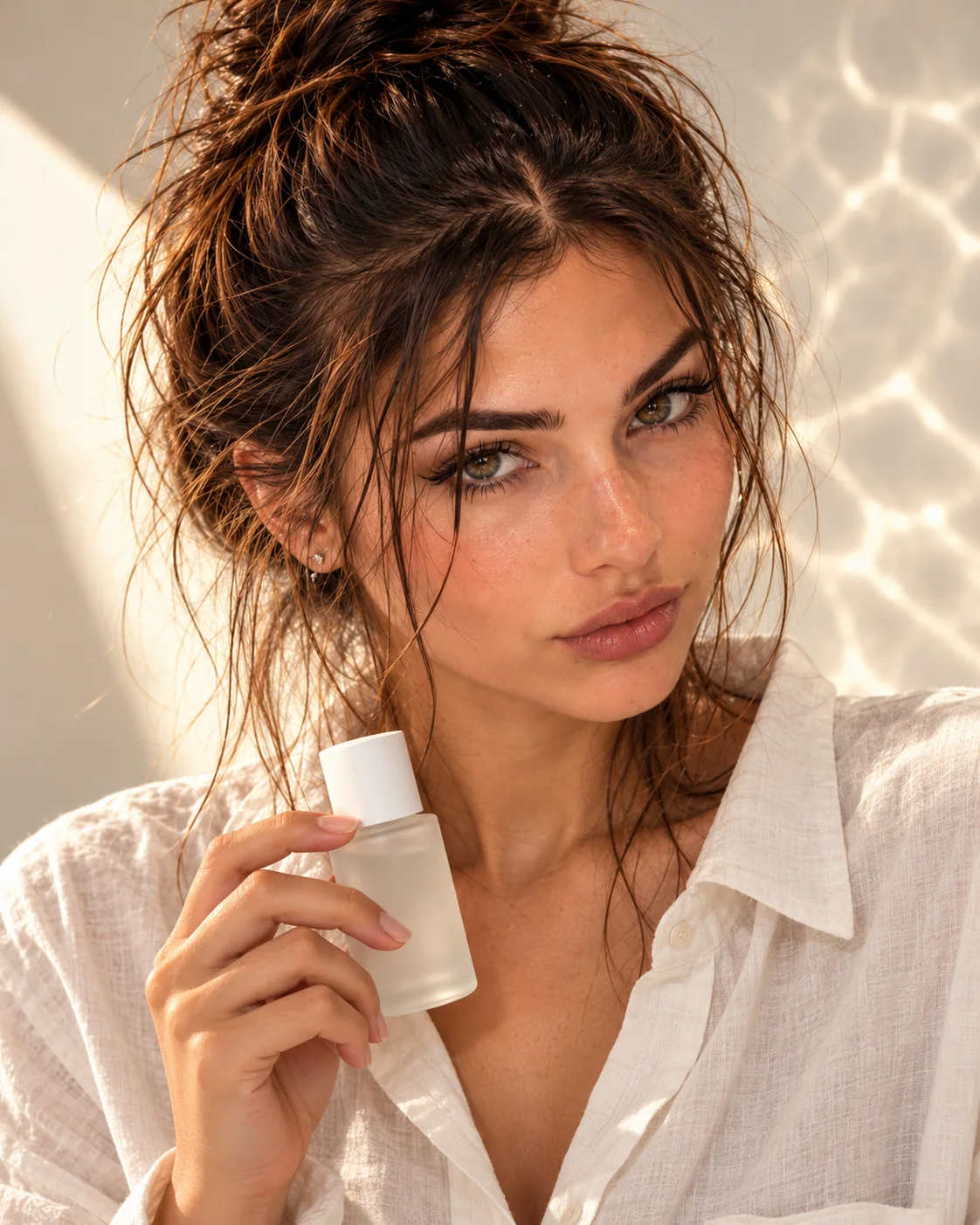

Portraits: light, texture, character
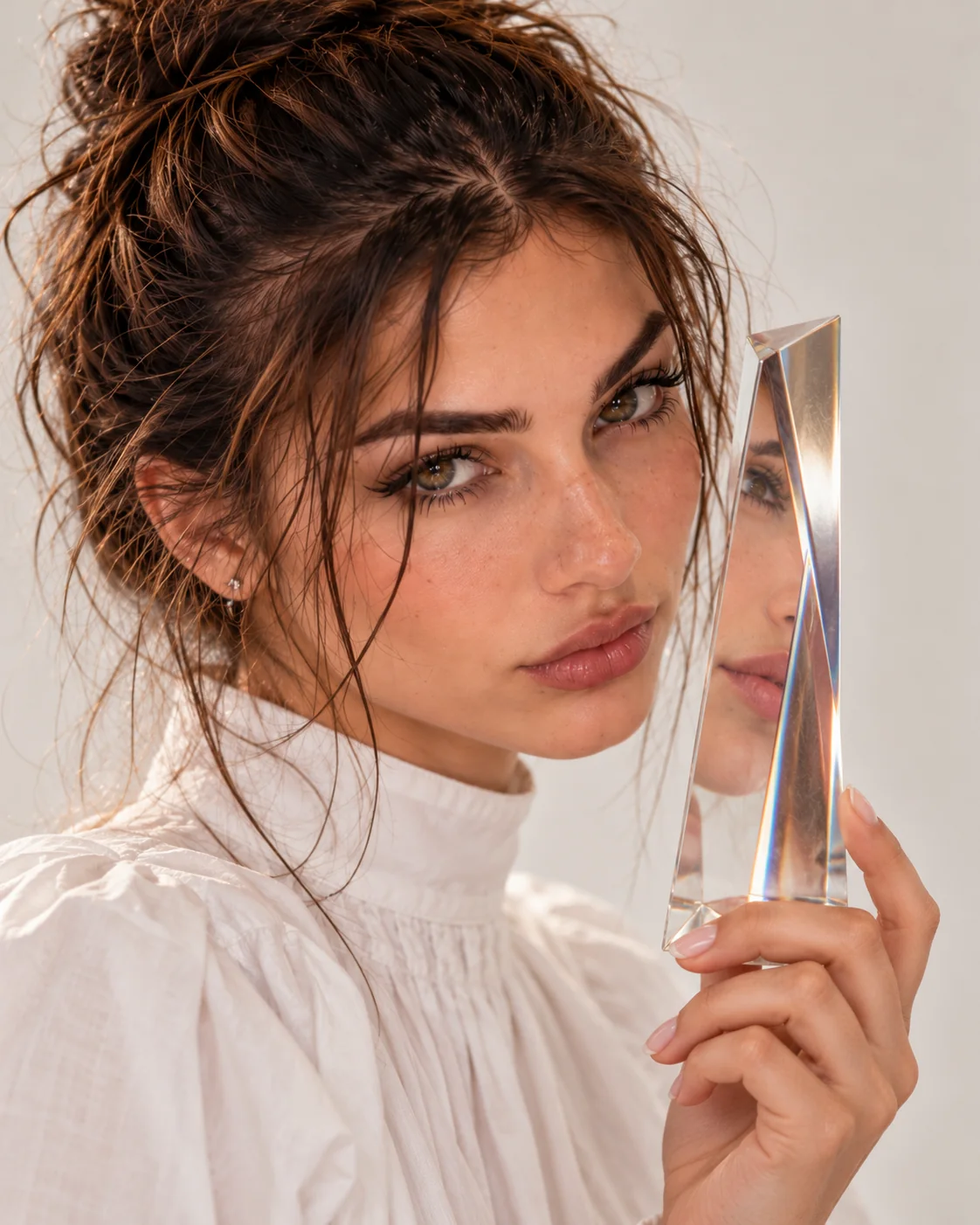
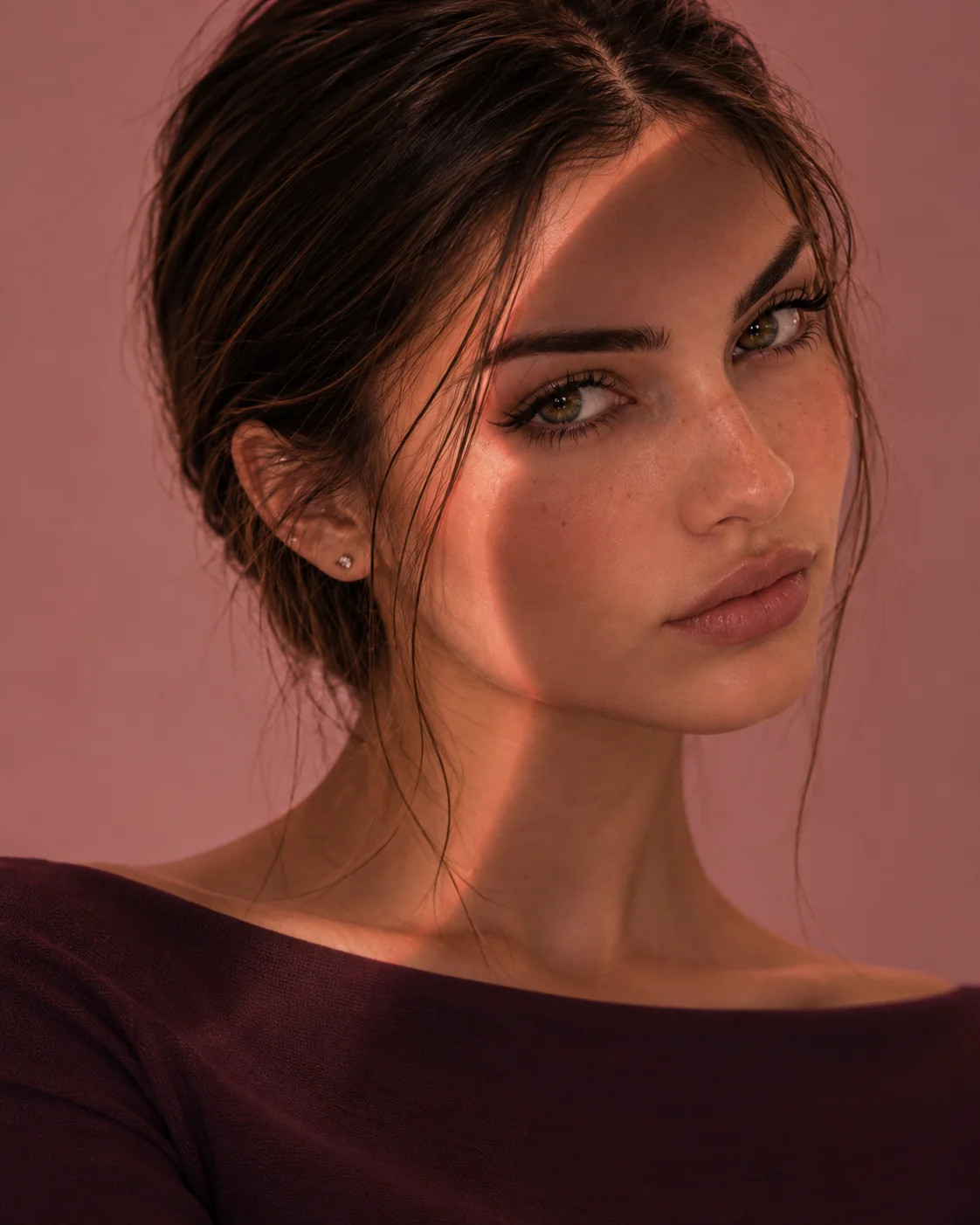
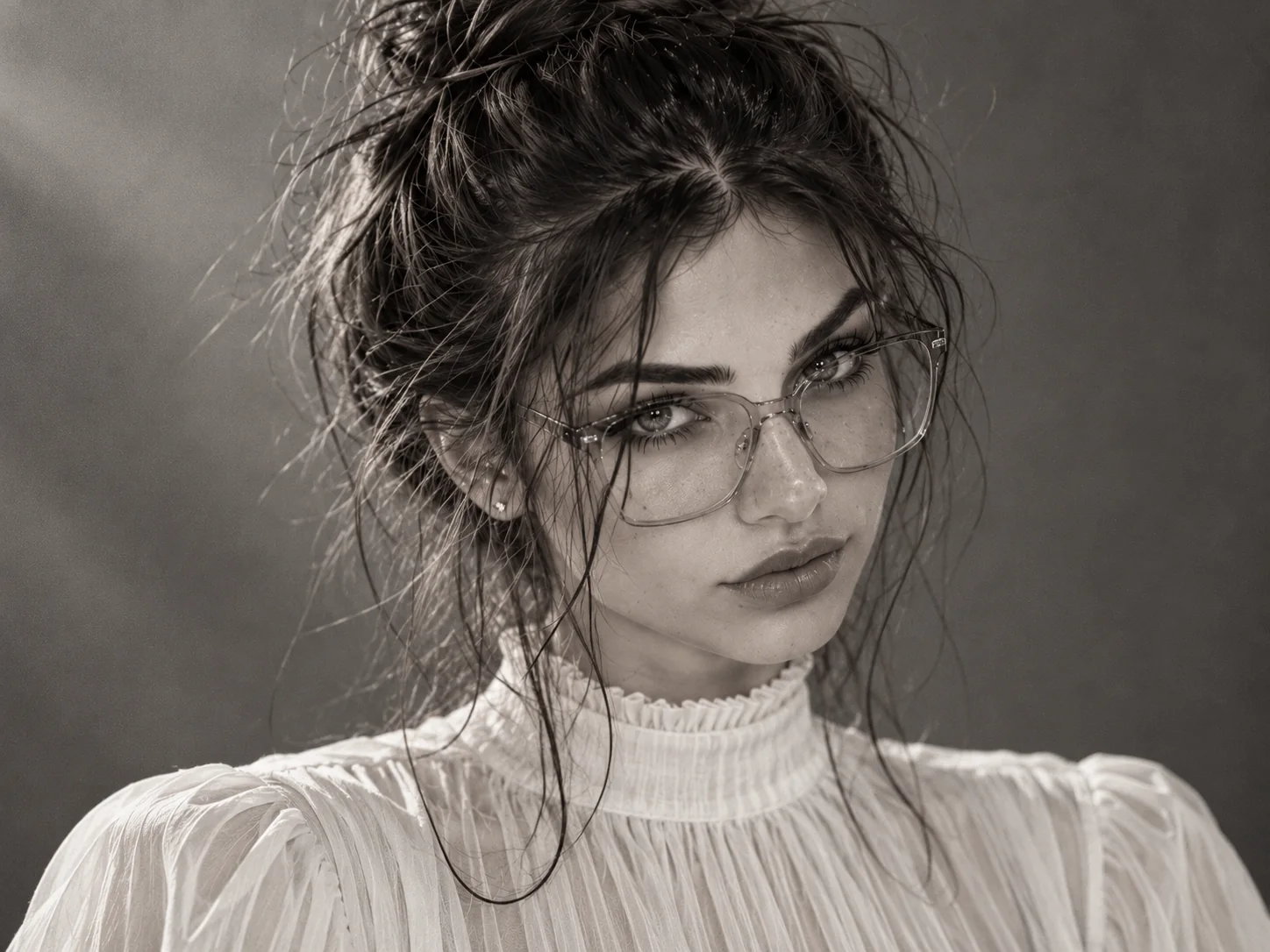
Establish the model. Then build the series.
I establish the face, character, hair and proportions in a reference. Test images show how the model holds up across angles, wardrobe and lighting. I then review and refine the complete series to maintain strong recognisability between scenes.
Behind the form
I create an AI model and develop the same recognisable appearance across brand tasks, from clean clothing catalogues to advertising campaigns. Each series follows an agreed visual direction.
When this service fits
For fashion brands, shops, skincare and accessory businesses that need image series for product listings, websites, social media and advertising. Start with a small test series and build on the selected model.
What you receive
- A model concept and appearance reference sheet
- Test images and an agreed visual direction
- Catalogue images, campaign scenes or portraits for the brief
- Export sizes for product listings, websites and advertising
How the project works
Define the product, audience and image placements.
Establish the model appearance and create test images.
Develop the selected catalogue, campaign or portrait direction.
Check identity, product details and anatomy; prepare final formats.
Decisions to make together
We agree the model, wardrobe, backgrounds, angles and image list. For real garments I use product and detail photographs: shape, colour, seams and fit matter alongside facial consistency. Every frame is reviewed.
Budget and deliverables
I estimate each brief based on model creation, looks, image count, product complexity and output formats. A test series is a practical starting point.
Work directly with an independent designer, remotely. We agree the scope, communication, review stages and handover before starting.
Get an estimateBefore we begin
How consistent is the model?
A reference sheet and shared visual anchors help preserve the face, character and proportions across scenes. I review the complete series and exclude frames where recognisability drifts.
Can you show my clothing?
Yes. Front, back and detail photographs are needed. We review fit and product fidelity in the test images.
How do catalogue and campaign images differ?
Catalogue images prioritise the garment through neutral lighting, clear angles and visible silhouettes. Campaigns can add setting, emotion, movement and a composition built around a brand message.
Are these real photoshoots?
No. These examples were created using AI. The wardrobe and products shown are demonstration concepts.
Related services
Discuss your project
Send your current website, existing brand assets and a short description of what you need. We can define the deliverables, review stages and estimate before work begins.